After the Ballots Are Counted: A Field Guide to Year-Round Civic Leadership
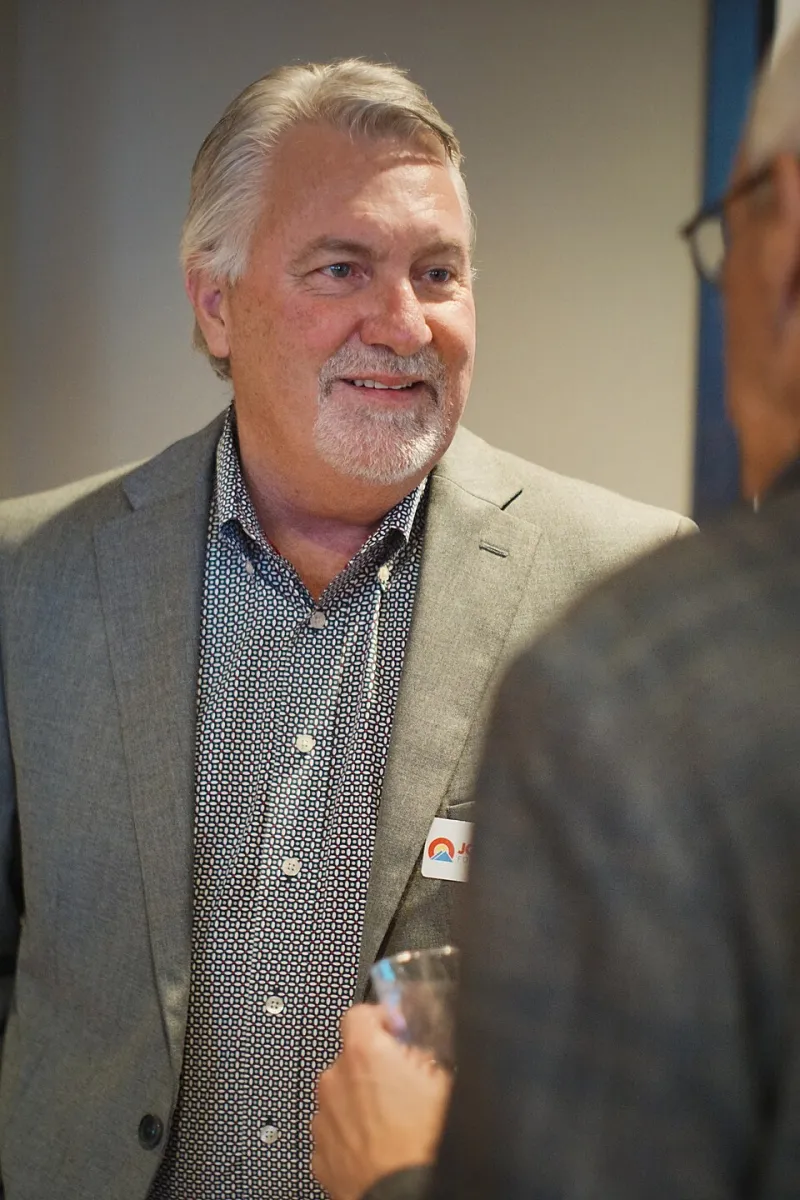
Photo: Joe O'Dea, CC BY 2.0, via Wikimedia Commons
The 2026 midterms are behind us. For many young professionals and community advocates, the weeks surrounding an election can feel like a concentrated course in civic life: long hours, urgent conversations, and a sharp sense of purpose. Then the ballots are counted, the yard signs come down, and the question arrives quietly—what now?
New Leadership Alliance believes that the answer should not be a return to civic hibernation. Elections are important, but they are not the whole of public service. The habits that sustain healthy communities are built in the quieter months between campaigns: attending municipal meetings, serving on local boards, learning how policy is made, and developing the relationships that make long-term leadership possible. The close of the 2026 election cycle is not an ending. It is an invitation to begin.
Resist the Post-Election Lull
There is a natural emotional letdown after any election. Volunteers who spent weekends canvassing return to ordinary routines. Organizations that mobilized around a ballot question pivot to other priorities. For emerging leaders, this can feel like a loss of momentum.
The better response is to treat the post-election period as a transition from episodic participation to sustained service. Campaign work teaches valuable skills—communication, organizing, message discipline, and resilience. But those skills deepen only when they are applied to the ongoing work of governing and community problem-solving. The question is not whether civic energy should continue. The question is where to direct it.
Start With Local Boards and Commissions
One of the most direct entry points into public service is also one of the least understood. Cities, counties, and towns across the United States rely on appointed boards and commissions to advise elected officials on everything from parks and planning to public health and human services. These bodies often have openings, and many struggle to attract qualified applicants.
For a young professional, serving on a local board offers a structured way to learn how decisions are made. It provides exposure to budgets, public testimony, and the practical trade-offs that shape communities. It also builds a track record of reliability and judgment. Begin by reviewing your municipality’s website for commission descriptions and application procedures. Attend a meeting before applying. Speak with current members about expectations. A thoughtful application that demonstrates genuine interest in the body’s work will stand out far more than a generic expression of civic enthusiasm.
Build Advocacy Skills Beyond the Campaign
Campaigns reward quick messaging and broad outreach. Year-round advocacy requires different muscles: research, coalition-building, patient persuasion, and the ability to translate community concerns into concrete policy recommendations.
Young leaders can develop these skills through local advocacy organizations, nonprofit boards, neighborhood associations, and issue-based coalitions. Consider volunteering with an organization that works on a specific policy area you care about—housing, transportation, education, or environmental stewardship. Learn how its leaders build relationships with public officials. Attend hearings. Read the documents. Ask questions. Over time, you will move from observer to contributor.
New Leadership Alliance encourages emerging public servants to seek training in both the technical and relational dimensions of advocacy. Understanding a budget or a zoning ordinance matters. So does knowing how to listen to residents who feel unheard. The most effective advocates are not merely persuasive; they are trustworthy.
Find Mentors Who Can Help You Grow
No one develops into a community leader alone. Mentorship is essential, particularly for young professionals navigating unfamiliar institutions. A mentor can help you understand the unwritten norms of local government, avoid common missteps, and see a path from your current role to greater responsibility.
Look for mentors in several places: a commission chair, a nonprofit director, a city staff member, or a more experienced volunteer. Approach mentorship with humility and specificity. Ask for a short conversation about their work. Come prepared with questions. Follow up. Demonstrate that you value their time by acting on their advice.
Mentorship also flows in both directions. Younger leaders bring fresh perspectives, digital fluency, and connections to communities that older institutions may struggle to reach. A healthy mentoring relationship is a partnership, not a one-way transfer of wisdom.
Make a Ninety-Day Plan
The months immediately after an election are an ideal time for a personal civic plan. Rather than waiting for the next campaign season, set a concrete ninety-day goal. It might be attending three municipal meetings, submitting one board application, completing an advocacy training, or interviewing two potential mentors.
Write the plan down. Share it with a friend or colleague. Schedule the first step this week. Civic leadership is not built through grand gestures alone; it is built through repeated, intentional action. The 2026 midterms may have consumed a great deal of attention, but the work of strengthening communities continues. For emerging leaders, that work is both a responsibility and an opportunity.
The election is over. The leadership begins now.