Where Leaders Are Actually Made: The Quiet Power of Serving Close to Home
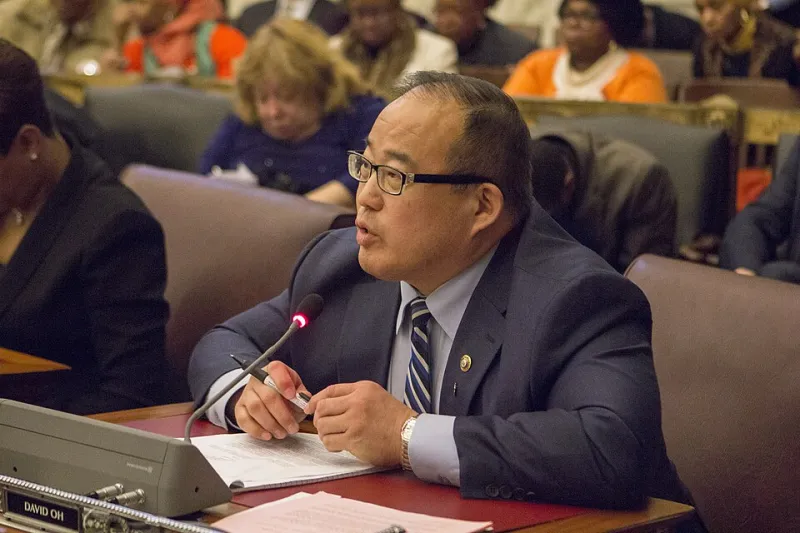
Photo: Philadelphia City Council, Public domain, via Wikimedia Commons
Ask a member of Congress about the hardest vote they ever cast, and you might be surprised by the answer. It is rarely the high-profile bill that dominated the evening news. More often, it was a decision made years earlier—perhaps a vote to close an under-enrolled elementary school, or a choice between funding a fire station renovation and repaving a crumbling arterial road.
These are the decisions that shape public servants long before they reach Washington. And they happen almost exclusively in local government.
The Classroom Nobody Talks About
American political culture celebrates the dramatic leap—the young candidate who runs straight for a U.S. House seat and wins. But these stories are outliers. The more common path to durable, effective leadership in federal office runs through county commissions, library boards, and municipal councils.
The reason is structural. Local office compresses the entire governing experience into a manageable scale. A city council member sees the direct consequence of a budget line item within months. A school board director hears from the parents affected by a policy change at the grocery store. There is no buffer between decision and outcome, and no staff large enough to hide behind.
That immediacy builds something that no graduate program or Capitol Hill fellowship can replicate: judgment.
Three Skills Forged in Council Chambers
Constituent service as a habit, not a talking point. On a city council, answering a resident's email about a pothole is not beneath the job—it is the job. Leaders who develop this reflex early carry it with them. Former local officials in Congress are often identifiable by how their district offices operate: faster responses, closer listening, fewer form letters.
Budgeting with real trade-offs. Federal budget debates often obscure scarcity through deficit spending and omnibus packaging. Municipal budgets offer no such abstraction. When public safety, sanitation, and parks all compete for a fixed revenue stream, a council member learns what it means to say no to something worthwhile. That discipline—rare and difficult—is foundational to credible leadership at any level.
Compromise under observation. In a town of 30,000, there is no anonymous vote. The neighbor you negotiate with on a zoning variance is the same person you will see at the farmers market on Saturday. Local governance teaches leaders to disagree without destroying relationships, a skill that has grown conspicuously scarce in national politics.
The Case for Starting Now
For young professionals considering public service, the arithmetic is compelling. Local races typically require modest budgets, small volunteer teams, and—critically—no permission from party gatekeepers. Filing deadlines for municipal offices arrive on predictable schedules in every state, and many seats go uncontested.
This creates an opening. Emerging leaders frustrated by national gridlock often conclude that politics is closed to them. The evidence suggests otherwise: the entry point is simply lower to the ground than most people assume.
There is also a civic argument. Local turnout in off-cycle municipal elections frequently falls below 25 percent. Boards that decide land use, policing budgets, and school curriculum operate with thin public scrutiny and, in many communities, thin candidate pools. Every young person who steps forward strengthens the responsiveness of government where it touches daily life most directly.
A Pipeline Worth Building
At the New Leadership Alliance, we believe the next generation of public servants should be trained deliberately, not accidentally. That means mentorship from former local officials, practical instruction in reading a municipal budget, and honest conversations about the demands of public life. It also means reframing ambition: a planning commission appointment is not a consolation prize. It is an apprenticeship in the actual work of self-government.
The nation will always need leaders in Washington. But the surest way to produce them is to encourage more capable people to serve where they live—first.
The chamber may be small. The lessons are not.