The First Rung Is Not Too Small: Why Local Office Is the Smartest Launchpad for Public Service
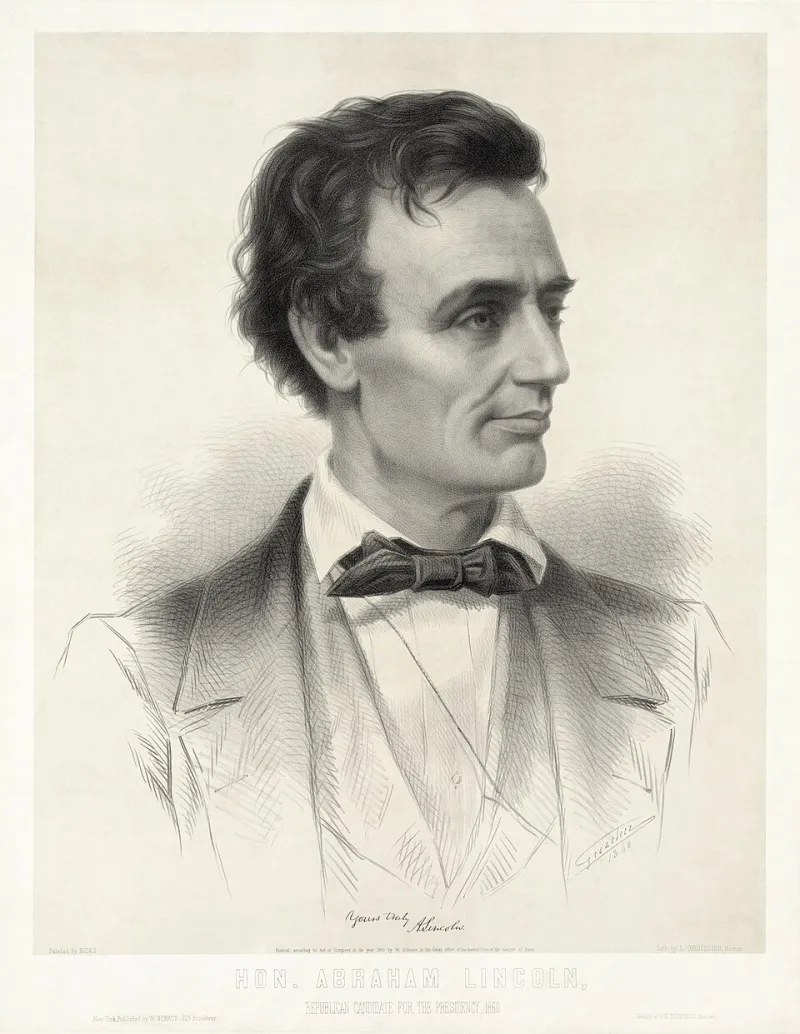
Photo: Adam Cuerden, Public domain, via Wikimedia Commons
Across the country in 2026, many talented young professionals are plotting a path to Washington. They study national policy, build online networks, and wait for the right moment to enter public life. That instinct is understandable, but it often overlooks the most effective entry point in American democracy: the local ballot.
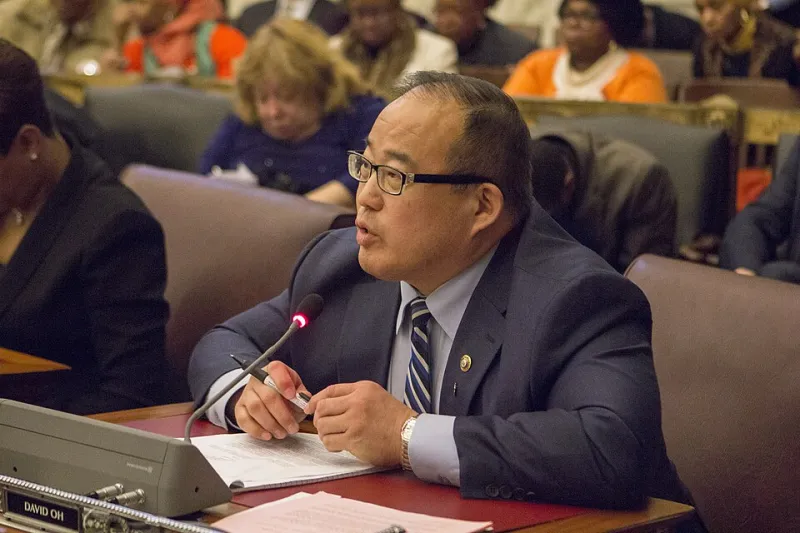
School boards, city councils, water districts, and county commissions are not consolation prizes for people who cannot win higher office. They are the places where public service is most direct, where budgets are balanced in public view, and where a new leader learns whether ideas can survive contact with constituents. For anyone serious about a career in public service, starting locally is not a detour. It is the smartest first move.
The leadership laboratory next door
Local office teaches skills that national politics cannot simulate. A city council member must read a capital improvement plan, question a police chief, and explain a property tax levy to a room of skeptical homeowners. A school board member must weigh curriculum against a shortage of teachers and answer parents who want both excellence and fiscal restraint. A water district director must understand infrastructure debt and rate design well enough to defend a vote.
These are not glamorous tasks. They are the work of governance. And they build the competencies that voters eventually demand from higher office: the ability to listen, to negotiate, to manage a staff, to handle a budget, and to withstand public criticism without losing composure.
Local campaigns also impose a discipline that national campaigns often escape. You cannot hide behind a national brand or a large donor network. You knock on doors, attend church suppers, sit through zoning appeals, and answer questions at the grocery store. That proximity forces authenticity. It also builds a record of service that is concrete and verifiable.
Why waiting for a big opportunity is a costly mistake
The most common mistake among aspiring public servants is the belief that local office is too small to matter. That belief is both wrong and strategically costly. National and statewide campaigns increasingly look for candidates who have won elections, managed constituencies, and delivered results. A first campaign for city council or school board provides precisely that evidence.
The path from local office to higher office is well worn. Cory Booker served as mayor of Newark before representing New Jersey in the U.S. Senate. Julián Castro was mayor of San Antonio before serving in the Cabinet. Countless members of Congress and state legislatures began on school boards, city councils, and county commissions. These leaders did not begin locally because they lacked ambition. They began locally because it was where they could learn to lead.
There is also a practical argument. Local offices are more accessible to younger candidates, working parents, and people without personal wealth. Filing fees are often modest. Campaigns can be run with small donations and volunteer labor. The barrier to entry is lower, which means the opportunity to serve is real.
A practical checklist for a first campaign
A first campaign should be treated like a serious project. The following checklist is not exhaustive, but it covers the essentials.
Know the office before you seek it. Read the bylaws, attend meetings, and learn what the body actually controls. A school board does not set federal education policy. A city council does not manage the county jail. Understanding the limits of the office will make your campaign more credible.
Audit your relationships. List the communities you belong to—neighborhood associations, congregations, unions, parent groups, service clubs. These are not merely supporters; they are the people who will hold you accountable.
Study the budget. Request public records. Learn the major revenue sources and fixed costs. Voters expect candidates to understand where the money comes from and where it goes.
Build a kitchen cabinet. Recruit a treasurer, a volunteer coordinator, and a few trusted advisors. You do not need a professional consultant to run a local race, but you do need people who will tell you the truth.
File early and correctly. Campaign finance rules vary by state and locality. Missed deadlines can end a campaign before it begins. Ask the local election office for guidance in writing.
Raise small money transparently. Local campaigns can be funded by small contributions from residents. Keep clean records, disclose promptly, and avoid the appearance of influence.
Walk and listen. Door-to-door conversation remains the most effective local campaign tactic. Ask residents what they want from local government, and take notes. The answers will shape your platform.
Prepare for scrutiny. Local press and community forums will test your knowledge. Practice answering hard questions about taxes, services, and priorities. Do not promise what the office cannot deliver.
Commit to service after the election. The campaign is not the point. Governing is. Build relationships with colleagues, learn the parliamentary rules, and show up prepared.
The alliance's commitment
At New Leadership Alliance, our mission is to train tomorrow's public servants today. That means encouraging young leaders to see local office not as a stepping stone to be endured, but as a responsibility to be embraced. We support emerging leaders with training, mentorship, and connections to the communities they seek to serve.
The next generation of national leaders will not emerge fully formed from a podcast or a policy fellowship. They will come from school board meetings, city council chambers, and water district hearings. They will learn to govern by governing. And they will earn the trust of voters one neighborhood at a time.
If you are waiting for a big opportunity, consider this: the biggest opportunity may be on your local ballot. Run where you live. Lead from there.