Learning by Showing Up: A Ninety-Day Civic Apprenticeship for Aspiring Leaders

Public service rarely begins with a title. It begins with attention. For young professionals and community advocates who feel ready to contribute but are unsure where to start, the most useful question is not which office to seek, but which habits to build. A ninety-day civic apprenticeship can turn good intentions into disciplined practice.
The New Leadership Alliance exists to train tomorrow's public servants today. That mission rests on a simple conviction: leadership is learned through service, not merely granted through appointment. The framework below is designed for anyone who wants to enter public life responsibly, whether the goal is a city commission, a nonprofit board, a school committee, or a future campaign for local office.
Why a Plan Beats a Waiting Room
Waiting for the right role can become a quiet form of avoidance. A structured plan replaces that waiting with observation, practice, and feedback. It also protects against the temptation to perform rather than learn. Ninety days is long enough to develop a rhythm and short enough to remain focused.
The plan unfolds in three phases: listen, contribute, and lead. Each phase includes concrete actions, ethical guardrails, and a simple way to measure progress. The aim is not to become an instant expert. It is to become a credible, humble, and useful participant in civic life.
Phase One: Listen, Days 1 to 30
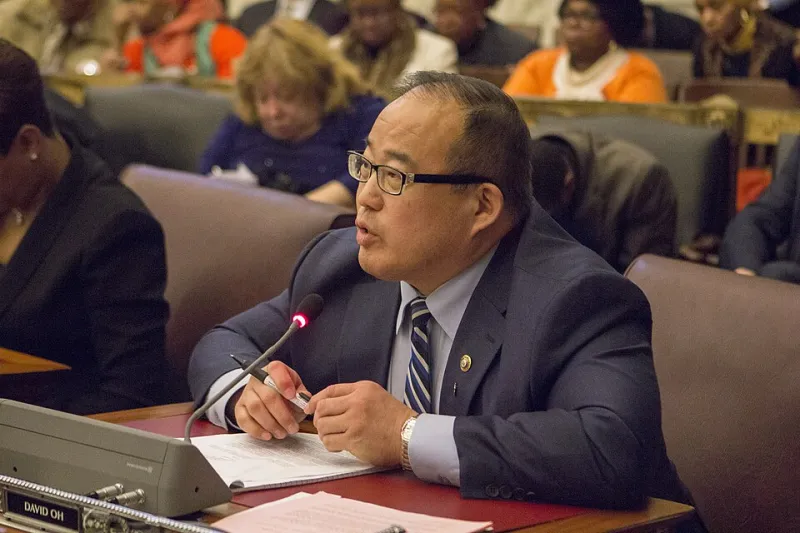
The first month is about understanding the landscape before trying to shape it. Begin by attending a public meeting that relates to an issue you care about: a city council session, a county commission hearing, a school board meeting, a zoning board review, or a library board discussion. Arrive early, stay through the public comment period, and read the agenda and minutes before and after.
Shadowing a public meeting is not passive. Keep a short journal. Note who speaks, which concerns recur, how staff present information, and where residents seem excluded from the process. These observations reveal more than any campaign brochure.
Schedule one interview with a community advocate, nonprofit director, or longtime volunteer. Ask about their first years in civic life, the mistakes they made, and the relationships that sustained them. Listen for the difference between publicity and trust. Ask for one recommended reading, one meeting to attend, and one person to meet.
By day 30, you should be able to describe the issue, the institutions, and the key stakeholders in plain language. You should also have a mentor or adviser who can review your observations. Ethics matter here: do not record private conversations without consent, do not speak for communities you have not been invited to represent, and do not treat public meetings as content for personal branding.
Phase Two: Contribute, Days 31 to 60
The second month moves from observation to service. Choose a small, specific contribution that fits your skills and the community's stated needs. This might mean volunteering with a neighborhood association, helping a nonprofit track public records, supporting a voter education event, or serving on a short-term committee.
The contribution should be modest enough to complete and meaningful enough to require preparation. Avoid launching a large initiative before you understand how decisions are actually made. Instead, ask a mentor to help you identify one gap where your time can be useful without displacing local leadership.
Use this phase to practice the ordinary skills of public service: writing a clear email, preparing a one-page briefing, facilitating a short meeting, and following through on commitments. If you make a mistake, correct it promptly and transparently. Reliability is a civic virtue.
Measure progress by outputs and relationships. Track the hours you contributed, the meetings you attended, the people you assisted, and the feedback you received. A simple spreadsheet is enough. The point is to establish a habit of accountability rather than to produce an impressive narrative.
Phase Three: Lead, Days 61 to 90
Leadership in this framework means taking responsibility for a bounded project, not claiming authority over a community. Work with a mentor to design a small advocacy or service project. Examples include preparing a fact sheet on a local budget item, organizing a listening session, drafting a letter to an elected official, or recruiting volunteers for a neighborhood cleanup.
Keep the project narrow and transparent. State the goal, the timeline, and the people affected. Seek permission before using anyone's name or story. If the project involves public comment, prepare carefully and remain respectful even when disagreeing. The objective is to improve the process, not to win a contest.
At the end of the ninety days, present what you learned to a mentor, a peer group, or a civic organization. Include what worked, what did not, and what you would do differently. This reflection is not a formality. It is how experience becomes judgment.
Guardrails for Ethical Service
Three guardrails should accompany every phase. First, be transparent about your intentions. If you are exploring a future run for office, say so when appropriate, and do not pretend to be neutral while quietly campaigning. Second, avoid conflicts of interest. Do not use public service for private gain or for access that others cannot share. Third, protect privacy. Not every conversation is public material, and not every community meeting is a photo opportunity.
Mentorship is equally important. A mentor can help you distinguish between urgency and importance, between a genuine community need and a personal ambition. Look for someone who will tell you the truth, review your work, and connect you with people who have been doing the work longer than you have.
Measuring Progress Without Chasing Titles
By the end of ninety days, you should have a record of attendance, contributions, relationships, and reflection. You may also have a clearer sense of which issues and institutions fit your talents. That clarity is the real outcome. A title may come later, but it should follow service rather than replace it.
The civic apprenticeship works because it is repeatable. After the first ninety days, the cycle can continue with deeper listening, larger contributions, and more responsible leadership. For emerging public servants, the lesson is durable: show up, learn the landscape, serve without spectacle, and let competence earn trust.